
Understandably, you don’t want to have an injection in your joints, soft tissue or even in muscles, but getting rid of pain is more important than living in agony and avoiding an injection.
We are here to help you in making this decision. If your pain has not subsided despite taking stronger painkillers and having physiotherapy for a few months, you may need an intra-articular or soft tissue injection (depending on the source of pain) to have good pain relief.
From the name of Intra-articular or joint injection, there is the impression that joint Injection is a major procedure, but the good news is that it’s not. There is no incision or scar involved, and if given with proper technique causes minimal discomfort, just like any other injection.
Injection is given directly into a joint or soft tissue under aseptic measures. The most popular medications injected for this treatment include hyaluronic acid, local anaesthetics, corticosteroids (steroids), and PRP
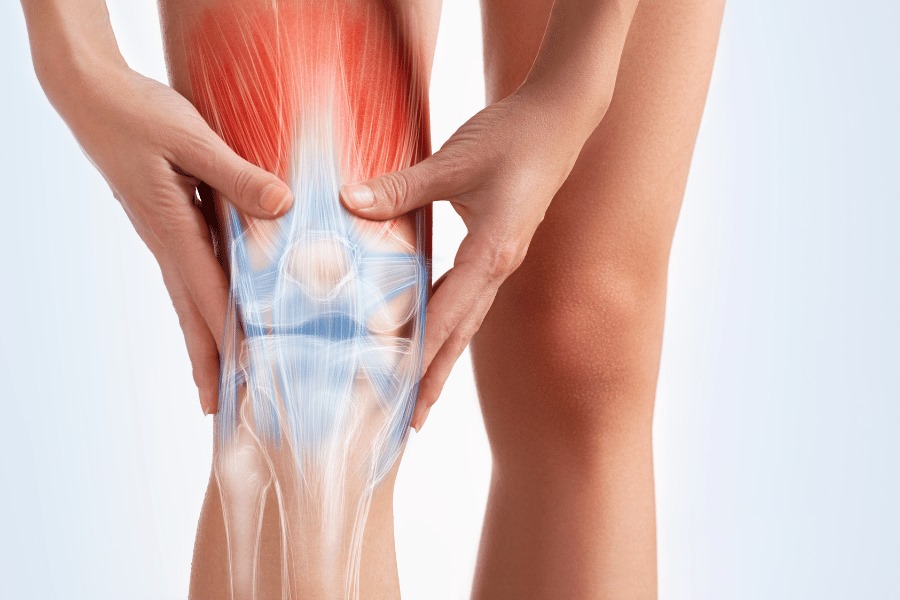
These are the most commonly used injections in joints and soft tissues. You may need it after a failed trial of analgesics and physiotherapy. It can be injected into almost every joint and soft tissue for symptomatic relief, but there are a few sites which should never receive steroid injection, such as the Achilles tendon.
Corticosteroids reduce localised inflammation. The most common conditions treated with intra-articular therapies include osteoarthritis, acute gout, and rheumatoid arthritis of the knee.
Previously, it was said that long-term corticosteroid use would gradually harm the joints; however, this hasn’t been proven in recent studies. Usually, corticosteroids are given three months apart, and as per NHS guidelines, up to 3 intra-articular injections can be given in a calendar year

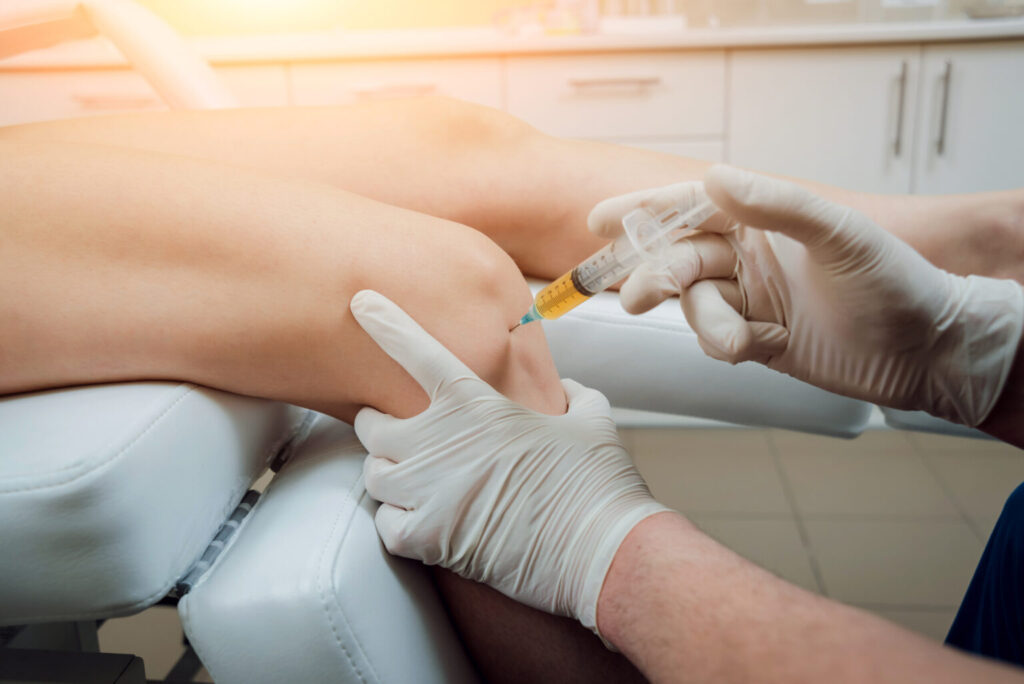
A naturally occurring chemical called hyaluronic acid is present in the synovial fluids that lubricate joints. This chemical can quickly degrade in those with osteoarthritis, which can aggravate the condition. Intra-articular injections have been used to improve joints’ range of motion, decrease discomfort, and boost lubrication.
Old versions of injections had a low dose of hyaluronic acid and needed three to five shots at weekly intervals. Modern injections contain a higher dose and provide symptomatic relief up to 1 year, and if needed, may be repeated after one year.
The main purpose of these injections is to buy time before having knee replacement surgery.
It comprises platelets with plasma. Platelets are a type of blood cell necessary for blood clotting, and plasma is the liquid component of blood. Platelet-rich plasma (PRP) is generated from whole blood. PRP intra-articular injections have been demonstrated to lessen pain and enhance physical function. Benefits from treatment have reportedly been seen to last for six to nine months
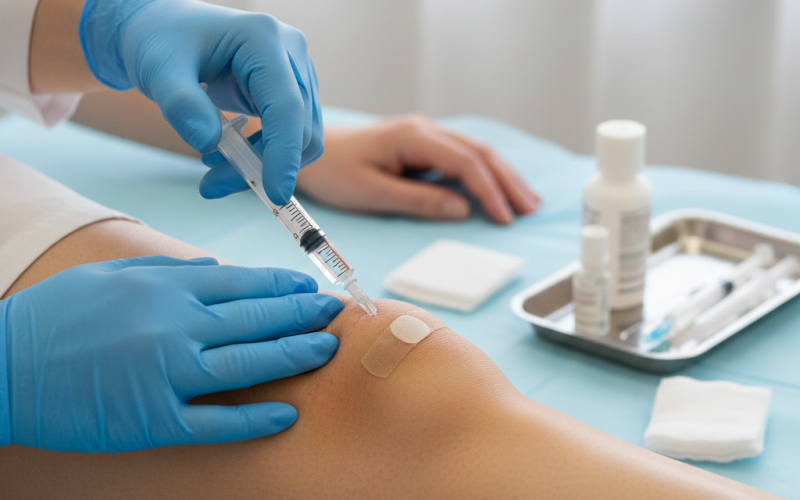
Local anaesthetics are one of the most commonly used injections and serve a diagnostic purpose in many soft tissue pathologies before having therapeutic injections.
They are rarely used in isolation and are mostly given in combination. Local anaesthetics are given with steroids and hyaluronic acid injections to minimise pain
you shouldn’t worry about the injection; it is usually performed in the outpatient clinic and may take 10-15 minutes in the whole procedure. Sometimes this injection is given in an operating theatre under X-ray control, especially if the injection site is the hip or spine.
Your doctor will clean the overlying skin with an antiseptic solution. A small needle is then gently inserted into the joint or soft tissue. The medication corticosteroid, PRP, hyaluronic acid, or local anaesthetic is then delivered into the targeted area.
The Good News is that the procedure does not require any incision, stitches, or hospital stay, and in most cases, you can walk out immediately after the injection
You may feel some discomfort and heaviness afterwards, but it will improve after some time, so really nothing to panic about.
Duration of heaviness and discomfort depends on the type of injection:
In case of Steroid injection, discomfort may last for up to 2-3 days, but if you have received Hyaluronic acid, improvement is gradual and may take up to 1 month. If you have received PRP, you may experience mild ache for 3-4 days is and benefits appear after a few weeks.
Though Local anaesthetic: immediate temporary pain relief for diagnostic clarity.
You may be advised to avoid strenuous activity for 24–48 hours, but gentle walking is usually fine.
Most of the time, these injections are generally very safe. Important piece of advice: always get this injection from a trained clinician. However, like any medical procedure, a few risks exist:
Temporary increase in pain for 24–48 hours (commonly after PRP or steroids), Infection (very rare—approximately 1 in 10,000 injections), Bruising or mild bleeding at the injection site, Allergic reaction (uncommon), Skin depigmentation or fat thinning (only with steroid injections, especially in superficial areas). And very rarely, repeated steroid injections may weaken tendons—hence some areas, such as the Achilles tendon, are avoided. Your doctor will clean the overlying skin with an antiseptic solution.
A small needle is then gently inserted into the joint or soft tissue. The medication corticosteroid, PRP, hyaluronic acid, or local anaesthetic is then delivered into the targeted area.
The Good News is that the procedure does not require any incision, stitches, or hospital stay, and in most cases, you can walk out immediately after the injection
Success varies depending on the type of injection and the condition being treated; success also depends on the underlying disease severity, activity level, and physiotherapy compliance
Steroid injections:
60–80% of patients get good pain relief for weeks to months.
Hyaluronic acid:
Around 70–90% report improvement, lasting 9–12 months in many cases.
PRP:
Studies show 70–85% patients experience reduced pain and improved function for up to 12 to 24 months.
Local anaesthetic injections:
Useful mainly for diagnosis or short-term relief
Available Joint & Soft Tissue Injections at Ortho Clinic
You can find steroid injections, hyaluronic acid, PRP, local anaesthetic, and other joint & soft tissue injections at Ortho Clinic.
Find the top orthopedic clinic in Pakistan for comprehensive care. Expert treatments for bone, joint & muscle issues. Visit us for trusted solutions.