It is one of the most common joint diseases that affects millions of people worldwide.
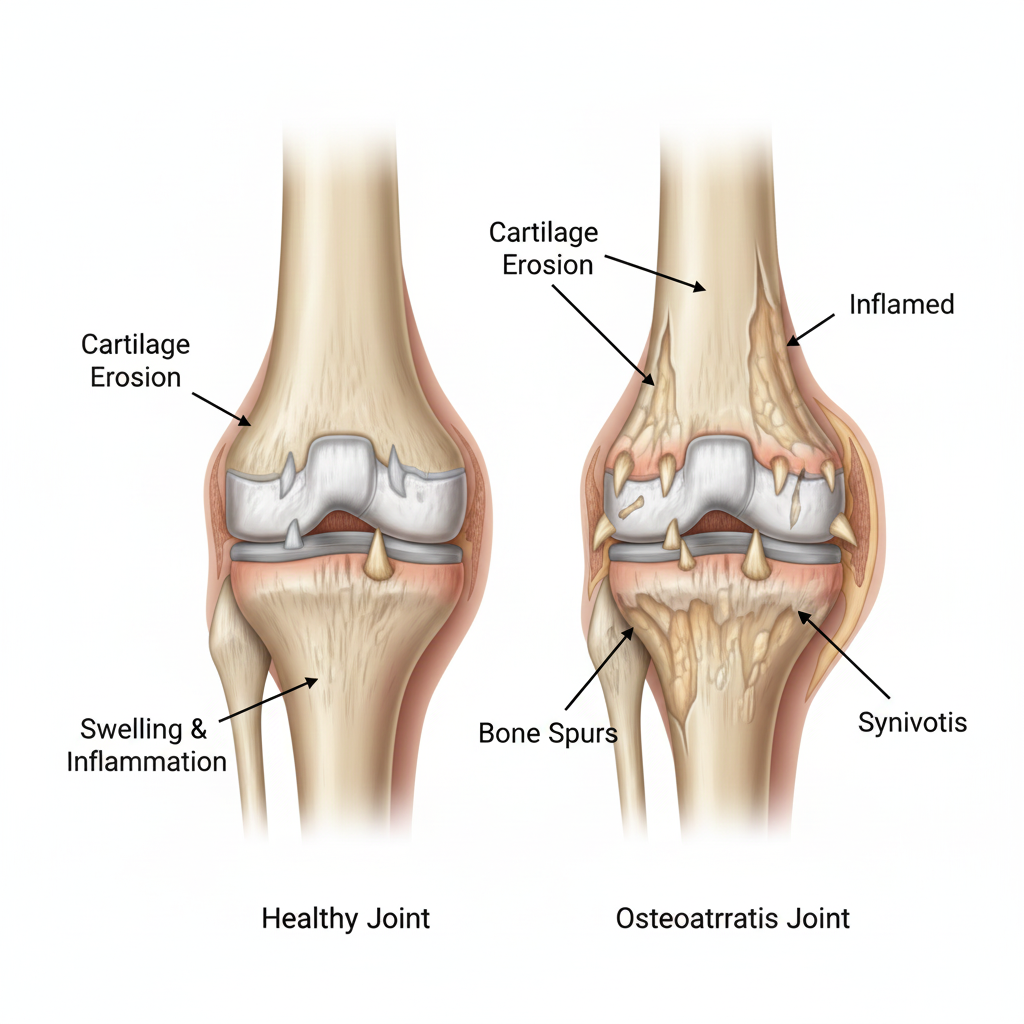
You may call it age-related wear and tear of the joint. The basic problem in Osteoarthritis is damage to the protective cartilage that covers the bone ends. The soft bone, cartilage gradually deteriorate over time and start causing pain and stiffness of the affected joint. Although osteoarthritis can affect any joint, it most frequently affects the weight-bearing joints such as knees, hips, and spine as well as can affect small joints of the hands
In many cases, no risk factor can be identified, but the following factors can increase the risk of osteoarthritis:
Older age
Gender
Obesity
Previous Joint injuries
Repeated micro stress on the joint
Family History
Rheumatoid arthritis, gout or other joint diseases
Osteoarthritis symptoms often develop slowly and worsen over time. You may feel one or more of the following symptoms;
Pain in the affected joint
Stiffness and spasm of surrounding muscles
Difficulty in day-to-day activities
Loss of flexibility of joints
Swelling of the affected area
If you have joint pain, swelling or stiffness that doesn’t go away with simple home remedies and analgesics, it is time to make an appointment with a doctor. You should discuss the following points with your doctor at the time of your appointment:
Detailed descriptions of your symptoms; when and how they began?
Information about medical problems you, your parents and your siblings have had
All the prescriptions and medications, and dietary supplements you take with dosages
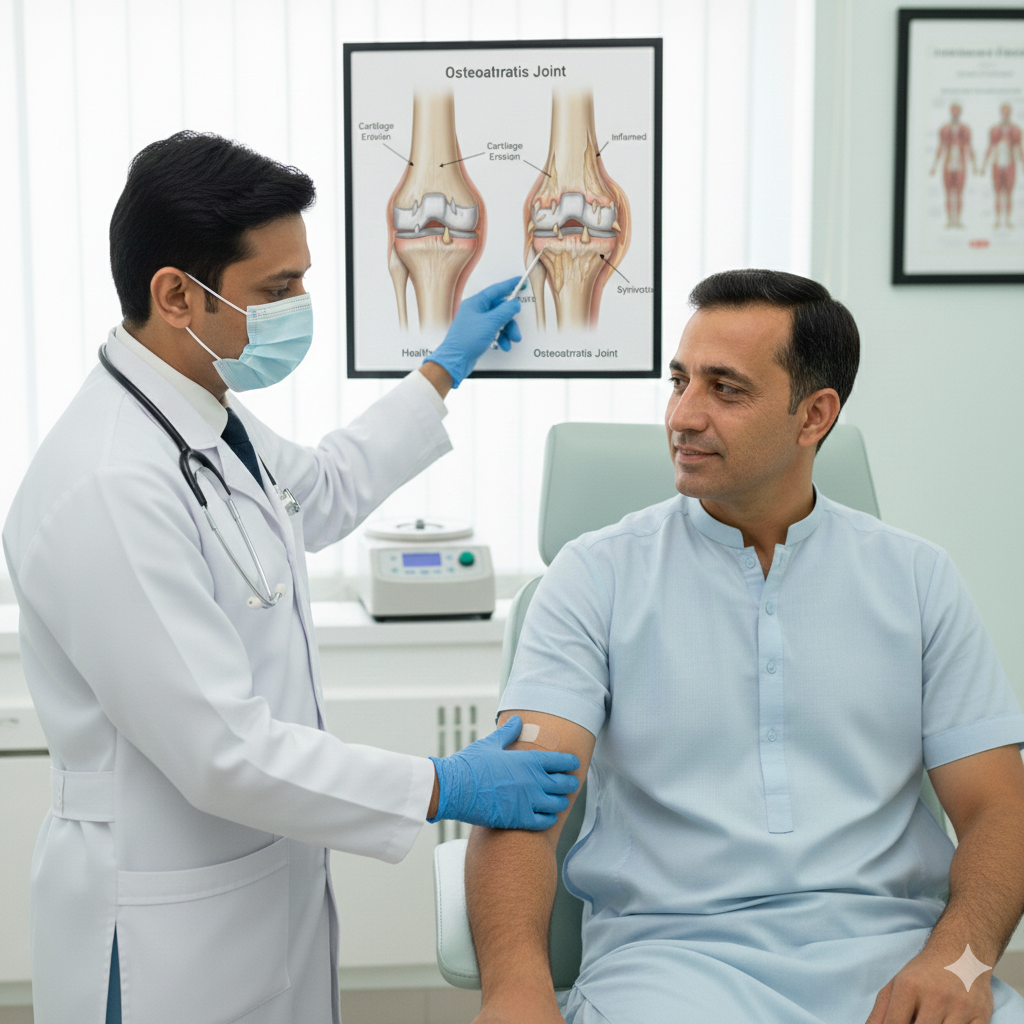
Your doctor will ask some questions about pain. Your doctor will also examine the affected joint for tenderness, swelling, redness and flexibility.
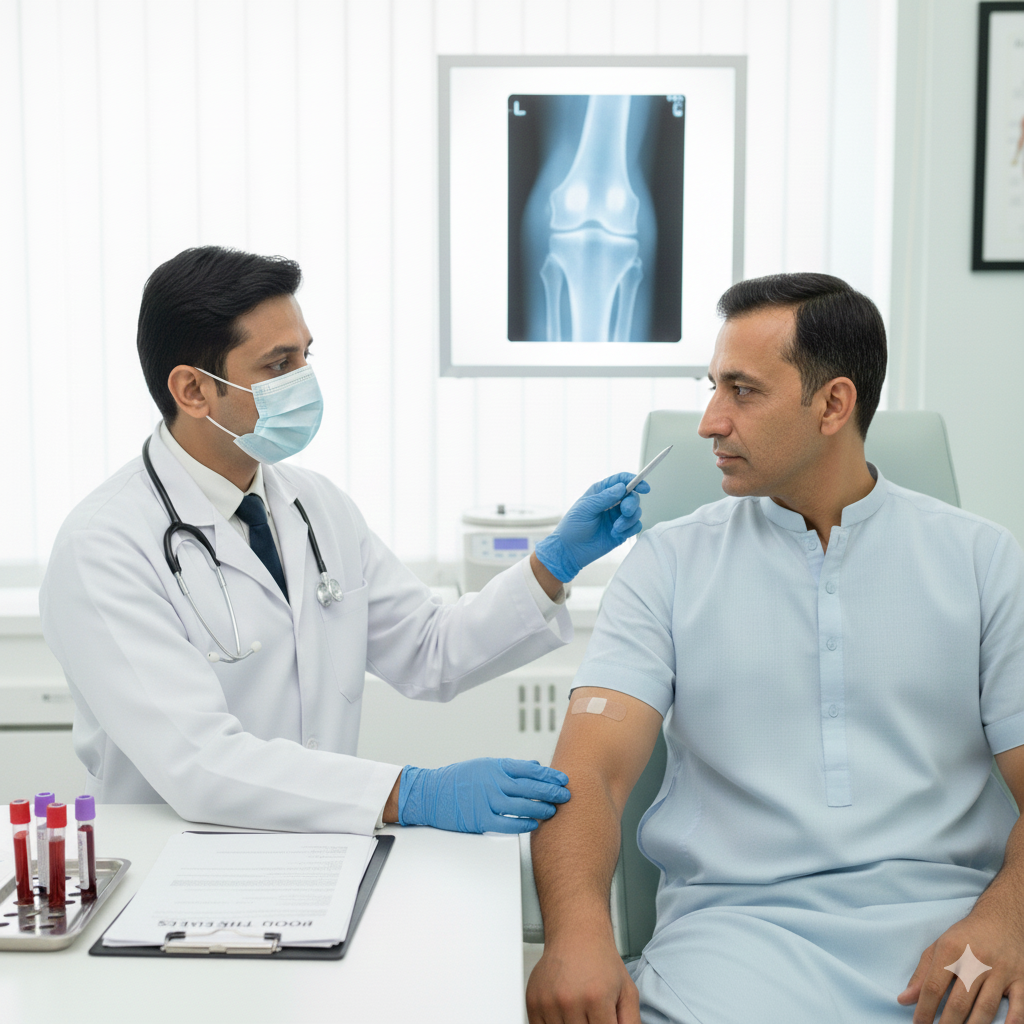
To get pictures of the affected joint, your doctor might recommend:
Unfortunately, joint changes that occur in osteoarthritis are irreversible, and damage to joints cannot be undone. The good news is that symptoms are easily manageable, and if treated properly disease won’t affect the quality of life. There are many treatment options available which can reduce pain and help you move better. Being physically active, keeping a healthy weight, and obtaining specific therapies may decrease the disease course and help with pain relief and joint function. Treatment modalities range from Physical therapy to analgesics to joint injections to Surgery.
It should be considered as the first line of treatment and must be combined with any other modality of treatment. These include maintaining a healthy lifestyle, losing weight if overweight and a daily routine of walking and exercise. Exercises to strengthen the muscles around your joint, increase your flexibility and reduce pain. An occupational therapist can help you discover ways to do everyday tasks without putting extra stress on your already painful joint.
Medications help a lot in relieving osteoarthritis pain and include paracetamol, Brufen and Dicloran, etc. Be cautious. Always consult your doctor before starting these. Topical analgesic creams applied over a painful joint also provide pain relief.
If conservative treatments don’t help, your doctor may consider other procedures such as:
Injections of a corticosteroid into your joint might relieve pain for a few weeks to a few months. The number of cortisone injections you can receive each year is generally limited to three or four. It can be injected into almost every joint and soft tissue for symptomatic relief.
Intra-articular injections have been used to improve joints’ range of motion, decrease discomfort, and boost lubrication. Old versions of injections had a low dose of hyaluronic acid and needed three to five shots at weekly intervals. Modern injections contain a higher dose and provide symptomatic relief up to 1 year, and if needed, may be repeated after one year.
Joint replacement is usually considered when all other treatments — including pain medication, physiotherapy, and steroid injections — have failed to provide lasting relief. In a replacement surgery, your surgeon removes your damaged joint surfaces and replaces them with plastic and metal parts. Surgical risks include infections and blood clots. Ortho Clinic is trusted for joint replacement and osteoarthritis care, delivering treatment and lasting relief.
Find the top orthopedic clinic in Pakistan for comprehensive care. Expert treatments for bone, joint & muscle issues. Visit us for trusted solutions.