
ACL reconstruction is keyhole surgery to replace a torn anterior cruciate ligament (ACL). This ACL is a major ligament in your knee and one of the most commonly injured ligaments in sports. Such injuries most commonly occur during sports that involve sudden stops and changes in direction — such as soccer, football, basketball and volleyball.
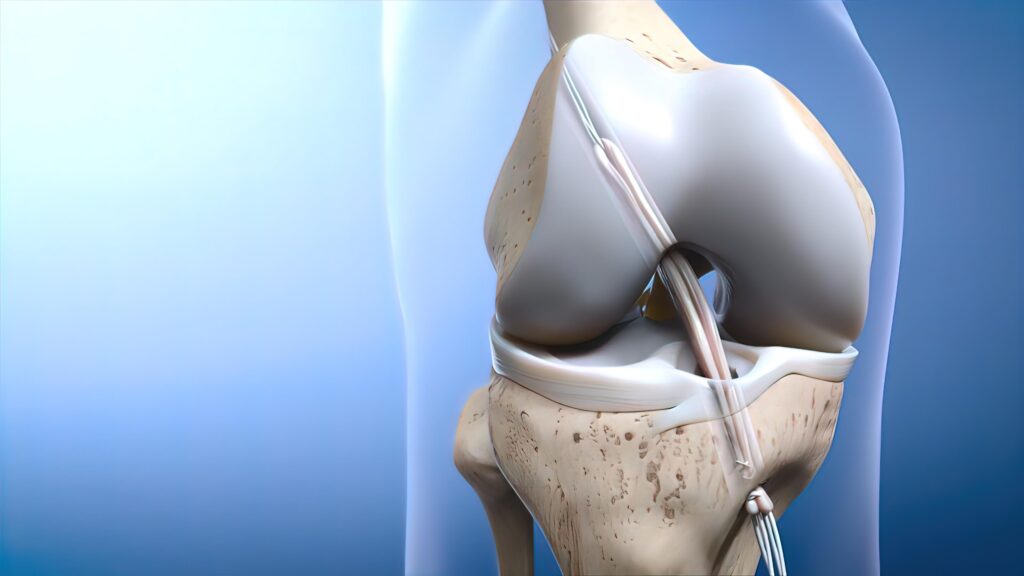
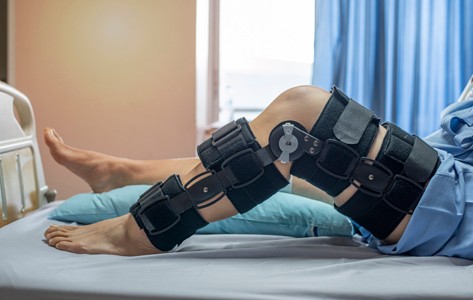
To understand the ACL ligament and its injury, some basic information about the knee structure and its anatomy is helpful.
These bones are connected by 4 ligaments – 2 collateral ligaments on the sides of the knee and 2 cruciate ligaments inside the knee.
The ACL is a tough band of tissue joining the thigh bone to the shin bone at the knee joint. It runs diagonally through the inside of the knee and gives the knee joint stability. It also helps to control the back-and-forth movement of the lower leg.
If you tear the anterior cruciate ligament (ACL) in your knee, you may need to have reconstructive surgery.
ACL injury can occur during sports such as skiing, tennis, squash, football and rugby. It can also occur after a fall or accident.
The main underlying reasons for an ACL injury while playing include:
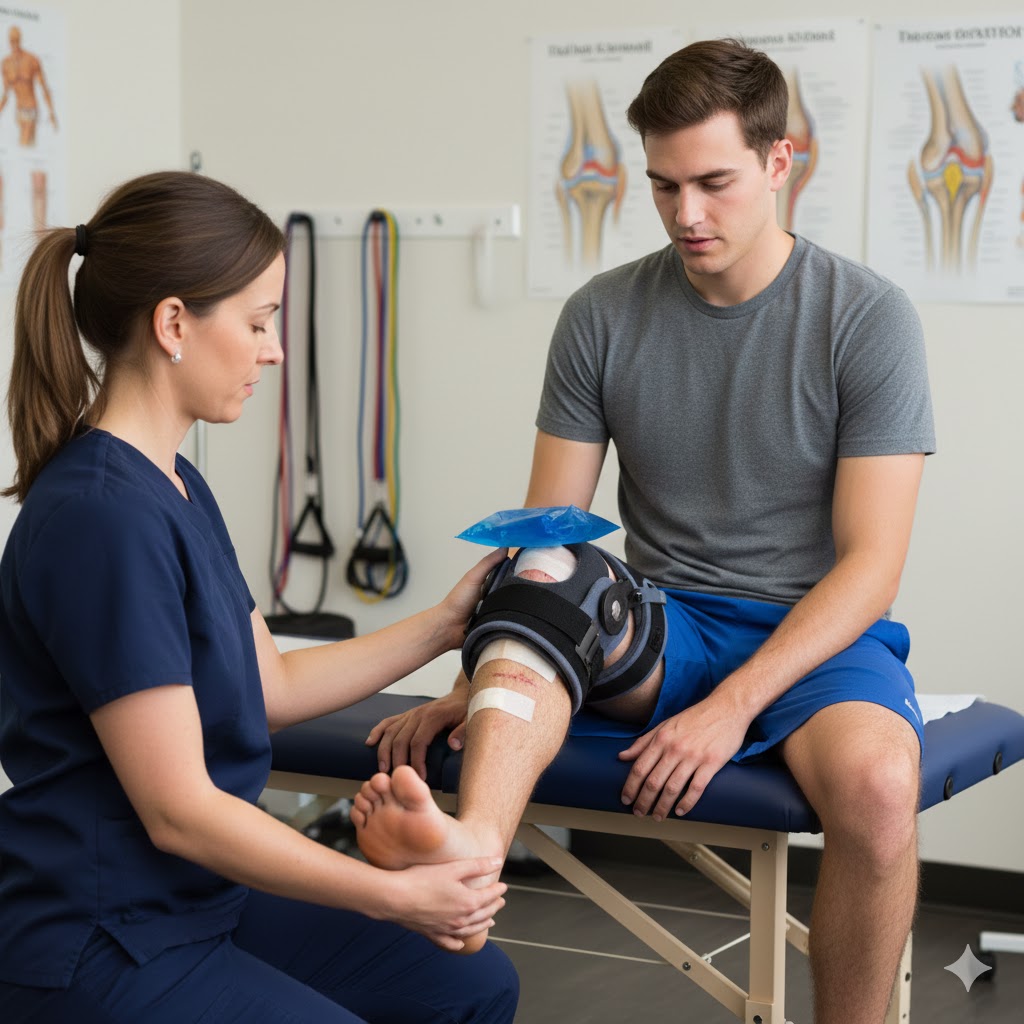
An ACL injury is a tear or sprain of the Anterior Cruciate Ligament, one of the major ligaments in the knee that helps keep it stable. It usually occurs during sudden movements like twisting, jumping, or abrupt stops. ACL injuries often cause pain, swelling, and difficulty walking, and may require rest, physiotherapy, or surgery depending on severity. Ortho Clinic Lahore provides expert ACL ligament diagnosis and treatment, helping restore knee stability, reduce pain, and support recovery.
You may develop swelling and severe pain in the knee immediately after injury, with difficulty in full weight bearing over the affected leg.
If the ACL is torn, your knee may become very unstable and may lose its full range of movement.
This can make it difficult to perform certain movements, such as turning on the spot. Some sports may be impossible to play.
The decision to have knee surgery will depend on the extent of damage to your ACL; whether it’s a partial or a complete tear if there is damage to other knee structures or ligaments as well if your quality of life is affected after the ACL injury any pre-injury knee arthritis, and the activity level of the patient
If your knee feels stable and you do not have an active lifestyle, you may decide not to have ACL surgery. But delaying surgery could cause further damage to your knee in the long term, especially if your knee gives way on walking or becomes unstable.
Before having ACL surgery, you may need to wait for any swelling to go down and for the full range of movement to return to your knee. It’s likely that you have to wait for 3-4 weeks after the injury for the full range of movement to return. You have to wait till the return of muscle strength, as achieving good muscle strength around the knee is also a prerequisite for successful ACL surgery Before you go into the hospital, find out as much as you can about what’s involved in your operation. Watch animation videos, read blogs, so that you exactly know what happens during the operation.
Before having surgery, you may be referred for physiotherapy to help you regain the full range of movement in your knee. Achieving a full range of movement is a crucial step in the success of ACL reconstruction surgery. If you do not have the full range of movement in your knee before having surgery, your recovery can be slow, and the outcome may be poor.
Your physiotherapist may show you some stretches that you can do at home to help keep your leg flexible. They may also recommend low-impact exercise, such as swimming for fitness or cycling. You may also need to wait until the muscles at the front of your thigh (quadriceps) and back of your thigh (hamstrings) are as strong as possible.
These types of activities will improve your muscle strength without placing too much weight on your knee. You should avoid any sports or activities that involve twisting, turning or jumping.
ACL has a very limited blood supply and healing potential, which is why a torn ACL cannot be repaired by stitching it back together, but it is reconstructed by attaching (grafting) new tissue onto it The ACL can be reconstructed by removing what remains of the torn ligament and replacing it with a tendon from another area of the leg, such as the hamstring or patellar tendon.Tiny incisions are made around your knee, a camera and small instruments are passed, and surgery is performed arthroscopically. Tunnels are made in the thigh and shin bone, and the graft is passed through the tunnels and fixed with special sutures/screws.
ACL surgery fully restores the functioning of the knee in more than 80% of cases. In some cases, your knee may not be exactly like it was before the injury, and you may still have some pain and swelling. This may be because of other injuries to the knee, such as tears or injuries to the cartilage, which happened at the same time as or after the ACL injury. As with all types of surgery, there are some small risks associated with knee surgery, including infection, a blood clot, knee pain, and knee weakness and stiffness
After having reconstructive ACL surgery, a few people may still experience knee pain or instability. Recovering from surgery usually takes around 6 months, but it could be up to a year before you're able to return to full training for your sport
Find the top orthopedic clinic in Pakistan for comprehensive care. Expert treatments for bone, joint & muscle issues. Visit us for trusted solutions.